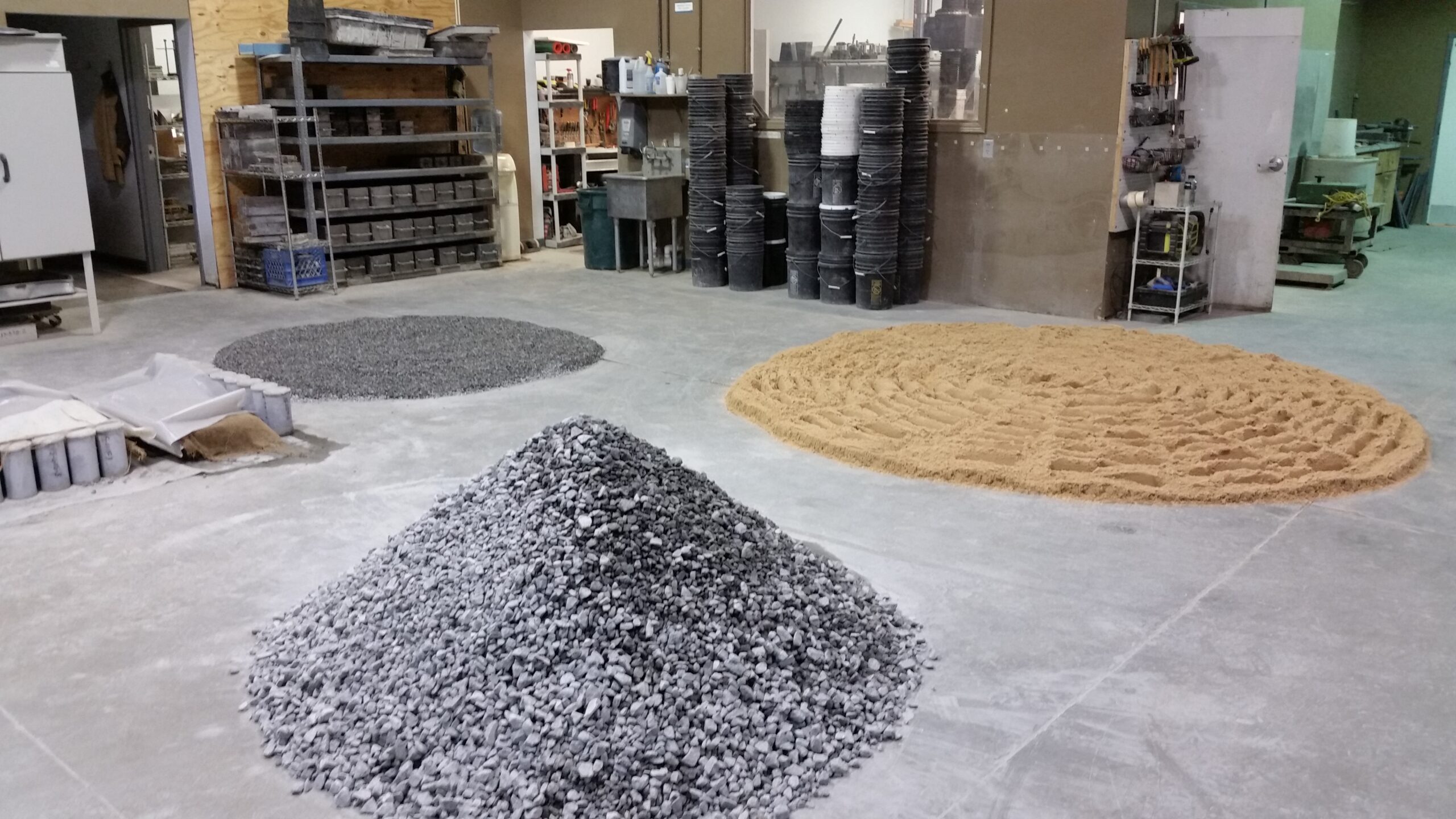
Laboratory Testing
Aggregate Testing
Aggregate Testing for Quality, Performance & Standards Compliance
Aggregates typically make up approximately 60–80% of concrete by volume, making their quality and characteristics critical to concrete performance. SGS TEC Services provides comprehensive aggregate testing services to evaluate material properties, quality, durability, and conformance with applicable standards and specifications.
Our laboratory tests aggregates for use in concrete, mortar, construction, and infrastructure applications. Results can also provide valuable information for aggregate selection, quality control, troubleshooting, and concrete and mortar mix design.
Whether you need routine quality control testing or an in-depth forensic investigation, our laboratory can help you understand how a material is performing and why.
Evaluating Aggregate Quality & Performance
Aggregates used in concrete must meet specific requirements for grading, cleanliness, strength, durability, and other physical and chemical properties. Materials may also need to be evaluated for potentially harmful constituents or characteristics that could affect bonding, durability, or long-term concrete performance.
Our experienced laboratory team performs standardized testing to help determine whether aggregates meet applicable ASTM, AASHTO, DOT, project, and material specifications.
Clients rely on SGS TEC Services for independent aggregate testing to support material qualification, source evaluation, quality-control programs, mix design development, and investigation of performance concerns.
Aggregate Materials & Testing Capabilities
Our laboratory provides testing and evaluation for a wide range of aggregate and related materials, including:
- ASTM C295 Aggregate Petrography
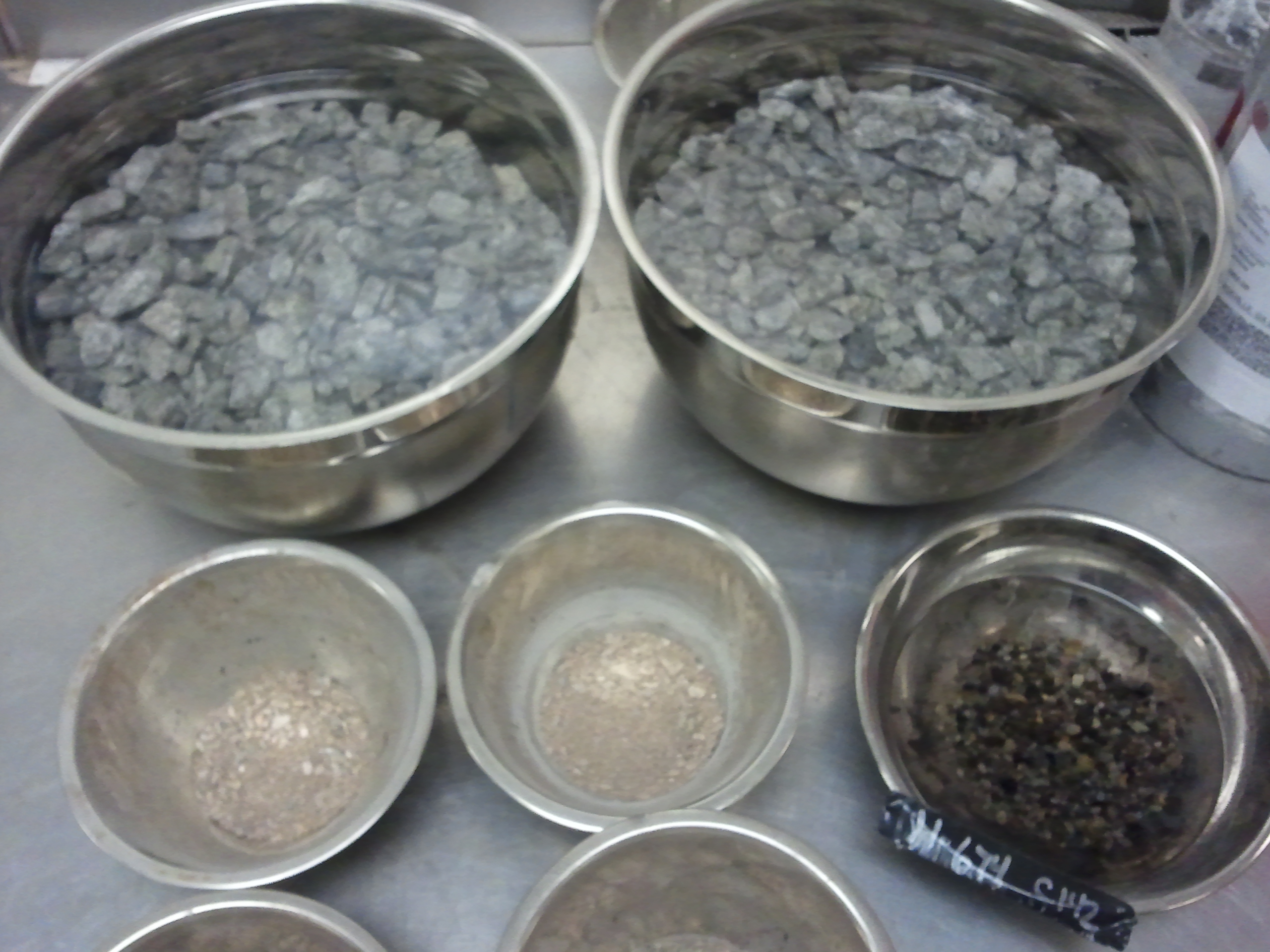
- Coarse aggregate
- Fine aggregate
- Riprap
- Alkali-silica reaction (ASR) evaluation
- Rock and rock cores
Our capabilities extend beyond the services listed above. Contact an expert to discuss your aggregate, application, specification, or testing requirements.
Aggregate Testing Methods & Standards
SGS TEC Services performs aggregate testing in accordance with applicable ASTM, AASHTO, DOT, and other industry standards and specifications.
| ASTM C29 | Test Method for Bulk Density (“Unit Weight”) and Voids in Aggregate |
| ASTM C33 | Standard Specification for Concrete Aggregates |
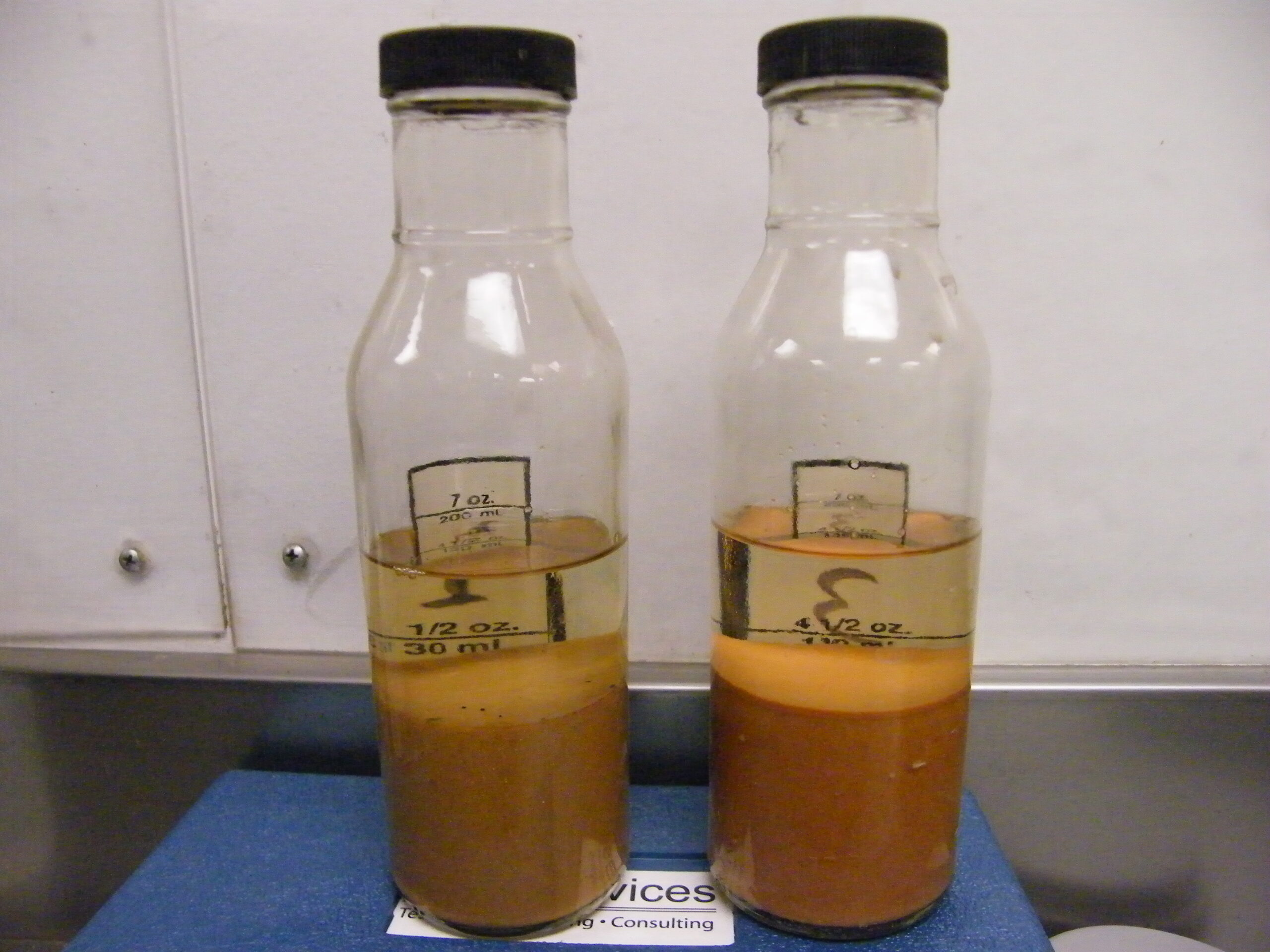
| ASTM C40 | Standard Test Method for Organic Impurities in Fine Aggregates for Concrete |
| ASTM C87 | Test Method for Effect of Organic Impurities in Fine Aggregate on Strength of Mortar |
| ASTM C88 | Standard Test Method for Soundness of Aggregates by Use of Sodium Sulfate or Magnesium Sulfate |
| ASTM C117 | Standard Test Method for Materials Finer than 75-μm (No. 200) Sieve in Mineral Aggregates by Washing |
| ASTM C123 | Standard Test Method for Lightweight Particles in Aggregate |
| ASTM C127 | Standard Test Method for Relative Density (Specific Gravity) and Absorption of Coarse Aggregate |
| ASTM C128 | Standard Test Method for the Relative Density (Specific Gravity) and Absorption of Fine Aggregate |
| ASTM C131 | Standard Test Method for Resistance to Degradation of Small-Size Coarse Aggregate by Abrasion and Impact in the Los Angeles Machine |
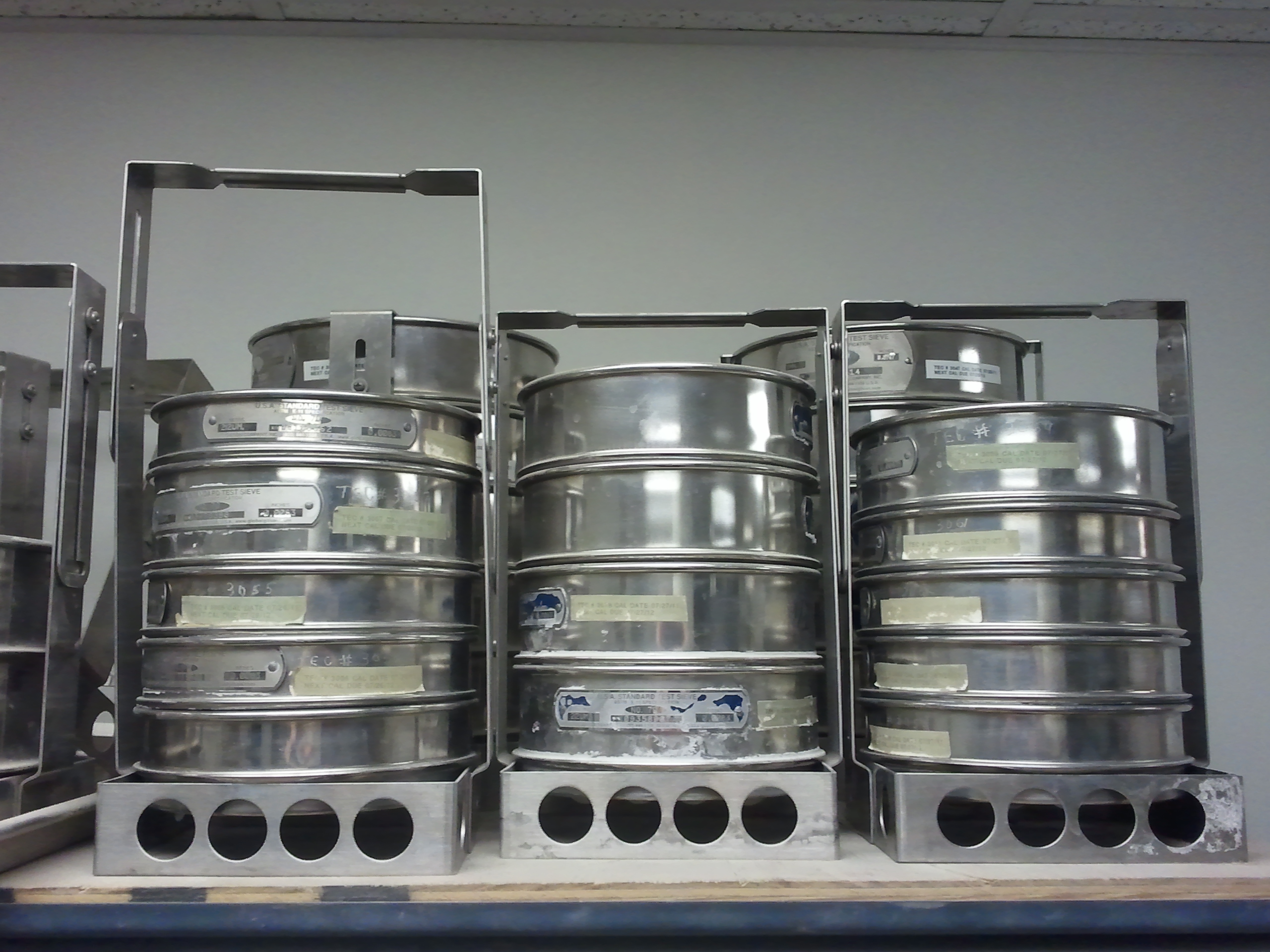
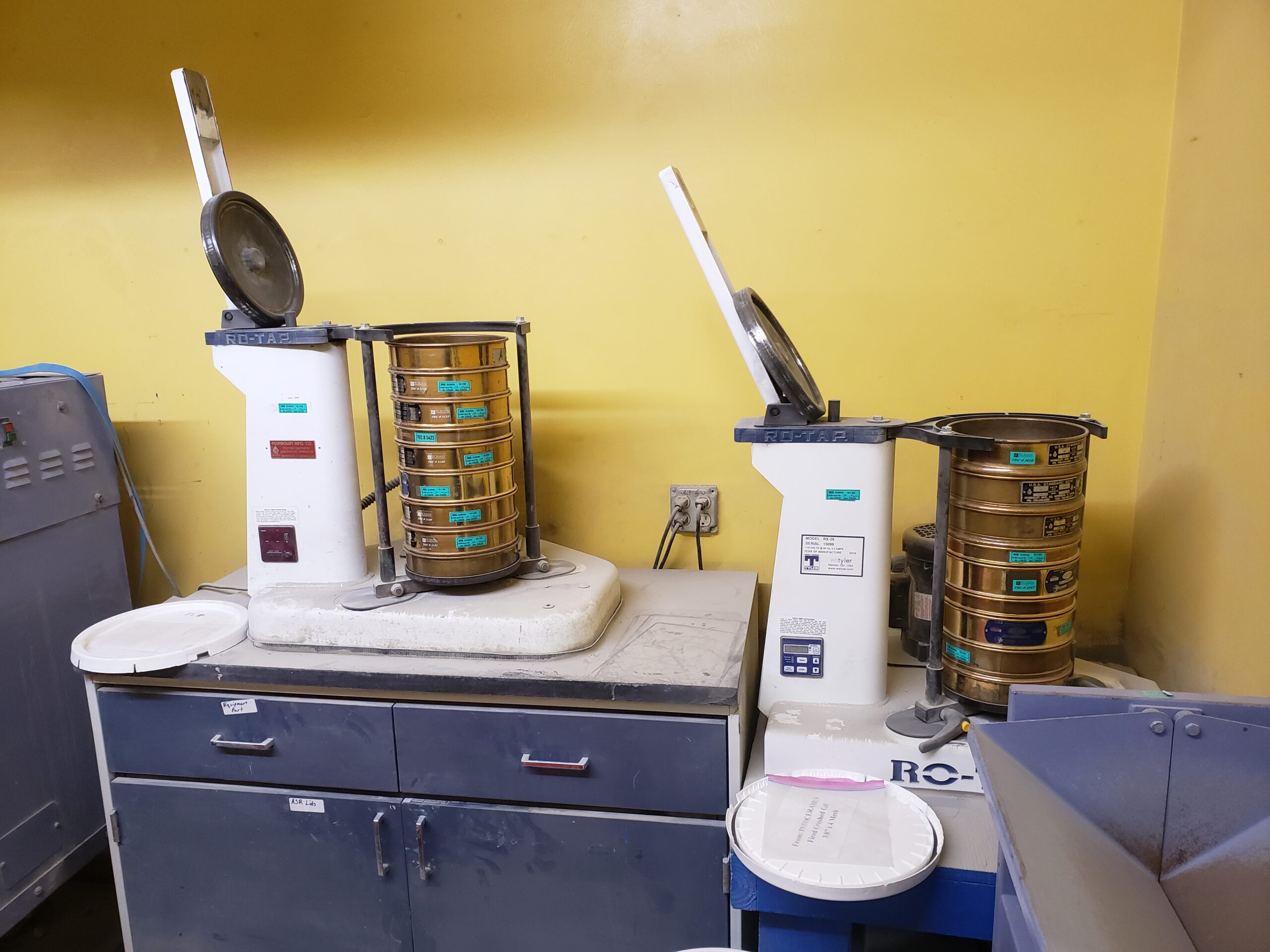
| ASTM C136 | Standard Test Method for Sieve Analysis of Fine and Coarse Aggregates |
| ASTM C142 | Standard Test Method for Clay Lumps and Friable Particles in Aggregates |
| ASTM C295 | Petrographic Examination of Aggregates for Concrete |
| ASTM C330 | Standard Specification for Lightweight Aggregates for Structural Concrete |
| ASTM C331 | Standard Specification for Lightweight Aggregates for Concrete Masonry Units |
| ASTM C535 | Standard Test Method for Resistance to Degradation of Large-Size Coarse Aggregate by Abrasion and Impact in the Los Angeles Machine |
| ASTM C566 | Total Moisture Content of Aggregate by Drying |
| ASTM C586 | Test Method for Potential Alkali Reactivity of Carbonate Rocks as Concrete Aggregates |
| ASTM C641 | Iron Staining Material in Lightweight Concrete Aggregate |
| ASTM C702 | Reducing Samples of Aggregate to Testing Size |
| ASTM C1077 | Standard Practice for Agencies Testing Concrete and Concrete Aggregates |
| ASTM C1105 | Length Change of Concrete Due to Alkali-Carbonate Rock Reaction |
| ASTM C1252 | Uncompacted Void Content of Fine Aggregate (Influenced by shape, texture, and grading) |
| ASTM C1260 | Test Method for Potential Alkali Reactivity of Aggregates (Mortar-Bar Method) |
| ASTM C1293 | Standard Test Method for Potential Alkali Reactivity of Aggregates (Mortar-Bar Method) |
| ASTM C1567 | Determining the Potential Alkali-Silica Reactivity of Combinations of Cementitious Materials and Aggregate (accelerated mortar-bar method) |
| ASTM D75 | Practice for Sampling Aggregates |
| ASTM D4791 | Flat Particles, Elongated Particles, or Flat and Elongated Particles in Coarse Aggregate |
| ASTM D5240 | Evaluation of Durability of Rock for Erosion Control Using Sodium Sulfate or Magnesium Sulfate |
| ASTM D5312 | Evaluation of Durability of Rock for Erosion Control Under Freezing and Thawing Conditions |
| ASTM D5313 | Durability of Rock for Erosion Control Under Wetting and Drying Conditions |
| ASTM D5821 | Determining the Percentage of Fractured Particles in Coarse Aggregate |
| ASTM E329 | Standard Specification for Agencies Engaged in the Testing and/or Inspection of Materials Used in Construction |
| ASTM R18 | Establishing and Implementing a Quality System for Construction Materials Testing Laboratories |
| ISO/TEC 17025 | General Requirements for the Competence of Testing and Calibration of Laboratories |